

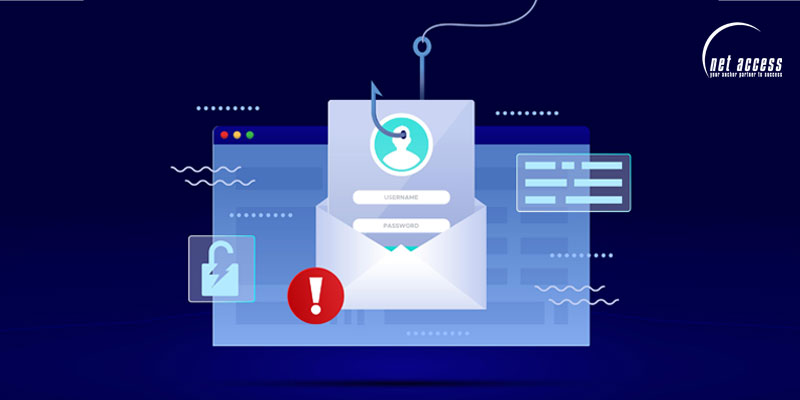
Why Businesses in the Netherlands Need Phishing Simulation Services to Prevent Phishing Attacks, Phishing Emails, and Spear Phishing
The Netherlands is recognized as one of Europe’s most digitally advanced economies, with businesses across industries depending heavily on digital communication, cloud platforms, online banking, remote collaboration tools, and connected technologies. From financial institutions and healthcare organizations to manufacturing companies, logistics providers, and technology enterprises, the Netherlands businesses rely on digital infrastructure to improve productivity and customer experience. As cyber threats continue to evolve, many organizations are investing in Phishing Simulation services in the Netherlands to strengthen employee awareness, identify human vulnerabilities, and protect their businesses from sophisticated phishing attacks.
However, this increasing digital dependency has also created new opportunities for cybercriminals. Among all cybersecurity threats, phishing remains one of the most common and successful attack methods targeting organizations worldwide, including businesses operating in the Netherlands.
Cybercriminals are continuously improving their techniques by creating highly convincing phishing emails, fake websites, fraudulent messages, and targeted social engineering attacks. These attacks are designed to manipulate employees into revealing confidential information, clicking malicious links, downloading infected files, or transferring money to fraudulent accounts.
For Dutch businesses, cybersecurity is no longer only about implementing firewalls, antivirus solutions, and endpoint protection. Organizations must also strengthen their human security layer because employees are often the first target of cybercriminals.
This is where phishing simulation services in the Netherlands help organizations identify employee vulnerabilities, improve security awareness, and prepare their workforce to respond effectively against real cyber threats.
A professional phishing simulation service provider helps businesses conduct realistic phishing campaigns, evaluate employee behavior, and provide continuous awareness training to reduce the risk of successful cyberattacks.
What is Phishing Simulation?
Phishing simulation is a cybersecurity testing method that recreates real-world phishing attacks in a controlled and secure environment to evaluate how employees respond to suspicious messages.
Unlike traditional cybersecurity training that only provides theoretical knowledge, phishing simulation allows employees to experience realistic attack scenarios. Organizations can understand how employees react when they receive suspicious emails, links, or messages similar to actual cyber threats.
During a phishing simulation campaign, employees may receive simulated:
- Fake business emails
- Password reset requests
- Invoice-related emails
- Delivery notifications
- Account verification messages
- Executive impersonation emails
The objective is not to punish employees but to improve their cybersecurity awareness and help them recognize potential threats before they become victims.
For businesses in the Netherlands, phishing simulation creates a proactive security culture by transforming employees from potential targets into an active defense layer.
What Are Phishing Simulation Services?
Phishing simulation services in the Netherlands are specialized cybersecurity solutions designed to test, educate, and improve employee awareness against phishing attacks.
A reliable phishing simulation service provider creates customized phishing campaigns based on an organization’s industry, employee roles, and security requirements.
These services typically include:
Simulated Phishing Campaign Creation
Cybersecurity experts design realistic phishing scenarios that represent common attacks faced by organizations. These scenarios may include fake login pages, malicious attachments, and fraudulent business communication.
Employee Phishing Testing
Organizations conduct controlled tests to measure employee awareness levels. The testing process identifies:
- Employees who recognize phishing attempts
- Users who click suspicious links
- Departments requiring additional training
- Overall organizational risk exposure
Security Awareness Training
After completing simulations, employees receive guidance on identifying and preventing phishing attempts.
Through Cybersecurity awareness training, employees learn:
- How attackers use social engineering
- How to verify suspicious emails
- How to report phishing incidents
- How to protect business information
Continuous Security Improvement
Phishing simulation is not a one-time activity. Regular testing helps organizations continuously improve their cybersecurity readiness.
Why Employee Phishing Simulation Is Important for Dutch Businesses
Employees are one of the most important components of an organization’s cybersecurity strategy. Even companies with advanced security technologies can experience breaches if employees unknowingly interact with malicious content.
Phishing simulation for employees helps businesses in the Netherlands measure their workforce’s ability to identify cyber threats.
A successful Employee phishing simulation Netherlands program helps businesses:
- Reduce human-related security risks
- Improve employee decision-making
- Increase phishing reporting rates
- Strengthen cybersecurity awareness
- Prepare employees for evolving attacks
For modern organizations, investing in employees is as important as investing in technology.
Types of Phishing Simulation
Cybercriminals use different methods to attack businesses. Therefore, organizations need multiple simulation approaches to test different threat scenarios.
1. Phishing Email Simulation
Email remains in the primary channel used by attackers because employees regularly communicate through business email platforms.
A phishing email attempts to appear legitimate by pretending to be from:
- Banks
- Customers
- Suppliers
- Managers
- Government organizations
- Business partners
A simulated phishing email campaign helps organizations test whether employees can identify suspicious messages.
Professional Phishing email protection solutions combined with employee awareness training help businesses reduce email-based risks.
Organizations can also implement Email security awareness training to teach employees how to identify malicious emails and avoid unsafe actions.
2. Spear Phishing Simulation
Unlike general phishing attacks, spear phishing targets specific individuals or departments within an organization.
Attackers may research employees through:
- LinkedIn profiles
- Company websites
- Public information
- Previous communication patterns
They then create personalized messages that appear trustworthy.
For example, an attacker may impersonate a company executive and request confidential information from an employee.
Because spear phishing attacks are highly targeted, organizations require specialized protection through Spear phishing awareness training and Spear phishing security services.
These programs help employees understand how attackers personalize their messages and manipulate human behavior.
3. Spam Email Simulation
Spam emails are unwanted messages sent in large quantities. Although many spam emails are harmless advertisements, cybercriminals often use spam campaigns to distribute malware, phishing links, and fraudulent content.
Businesses require effective spam email protection to reduce exposure to malicious messages.
Employee awareness is equally important because attackers can bypass technical controls by creating highly convincing emails.
A combination of email filtering technology and security training provides stronger protection against spam-related threats.
4. SMS Phishing Simulation (Smishing)
With increased smartphone usage, attackers have expanded their techniques beyond email. SMS phishing, also known as smishing, uses text messages to deceive users.
Common examples include:
- Fake delivery notifications
- Banking verification requests
- Account security alerts
- Prize notifications
Organizations should implement SMS phishing protection and Smishing awareness training to help employees recognize fraudulent messages.
A comprehensive phishing simulation program should include mobile-based attack scenarios to improve employee readiness.
5. Email Phishing Scams
Email phishing scams are fraudulent attempts where attackers impersonate trusted organizations to steal information or money.
Common examples include:
- Fake invoices
- Payment change requests
- Password reset scams
- Supplier impersonation
Businesses require strong Email phishing scam protection to prevent financial fraud and data theft.
Regular phishing simulations help employees identify suspicious requests before they cause business damage.
6. Email Phishing Attack
An email phishing attack occurs when attackers use deceptive emails to compromise business accounts, steal credentials, or install malware.
These attacks can lead to:
- Unauthorized access
- Financial losses
- Data breaches
- Reputation damage
- Business disruption
Organizations can reduce these risks through Business email phishing protection and corporate phishing email security solutions.
What is Phishing Attack Testing?
Phishing attack testing is a controlled cybersecurity assessment that evaluates how effectively employees can identify and respond to simulated phishing threats.
Unlike traditional security assessments that focus mainly on technical vulnerabilities, phishing attack testing focuses on the human element of cybersecurity. It helps organizations understand whether employees can recognize suspicious communication before attackers exploit them.
During a phishing test, employees receive simulated phishing emails or messages that replicate real-world attack scenarios. The results help organizations measure:
- Employee awareness levels
- Phishing susceptibility rates
- Reporting behavior
- Security training requirements
- Overall organizational risk exposure
A regular phishing attack test enables businesses to continuously improve their security awareness programs and reduce the possibility of successful phishing incidents.
For organizations looking for proactive cybersecurity improvement, Business phishing testing solutions in the Netherlands help identify weaknesses and strengthen employee readiness against evolving threats.
How to Prevent Phishing Attacks in Dutch Businesses?
Preventing phishing attacks requires a combination of technology, employee awareness, and continuous security testing. Cybercriminals continuously modify their methods, which means organizations must adopt a proactive approach instead of waiting for an attack to happen.
1. Conduct Regular Phishing Simulation Campaigns
Regular phishing simulations help organizations identify employee vulnerabilities before real attackers exploit them.
Through Phishing attack protection programs, businesses can test different scenarios, including:
- Fake login pages
- Business email compromise attempts
- Invoice fraud emails
- Executive impersonation attacks
- Malicious attachment campaigns
Regular simulations improve employee confidence and create a stronger cybersecurity culture.
2. Provide Continuous Security Awareness Training
Technology alone cannot completely prevent phishing attacks because attackers target human behavior.
Continuous Security awareness training programs help employees understand:
- How phishing attacks work
- How to identify suspicious communication
- How attackers use urgency and fear
- How to verify unexpected requests
- How to report security incidents
Organizations that combine phishing simulations with awareness training create a stronger defense against social engineering attacks.
3. Strengthen Email Security Protection
Since email is the most common attack channel, businesses must implement advanced email security measures.
Professional Email security services in the Netherlands help organizations detect and block:
- Malicious email attachments
- Suspicious URLs
- Fake sender identities
- Malware delivery attempts
However, technical protection should always be combined with employee awareness because attackers continuously develop methods to bypass security systems.
4. Protect Against Business Email Compromise
Business email compromise is one of the most damaging forms of phishing attacks. Cybercriminals impersonate executives, suppliers, or customers to manipulate employees into making unauthorized payments or sharing confidential information.
Strong Business email phishing protection helps organizations reduce the risk of financial fraud and unauthorized access.
Companies should also implement verification procedures for:
- Payment requests
- Bank account changes
- Confidential information sharing
- Executive instructions
Why Dutch Businesses Need Phishing Simulation Services
Businesses across the Netherlands are increasingly targeted by cybercriminals because of their strong digital infrastructure, international business connections, and dependence on online communication.
Organizations in industries such as finance, healthcare, logistics, manufacturing, and technology handle valuable information, making them attractive targets for phishing campaigns.
Increasing Phishing Threats Against Dutch Organizations
Cyber attackers are using more advanced techniques, including:
- AI-generated phishing emails
- Personalized spear phishing attacks
- Fake supplier communication
- Executive impersonation
- Mobile phishing messages
Traditional security tools alone cannot completely protect organizations because attackers continue to exploit human behavior.
This makes Phishing simulation services in the Netherlands an essential cybersecurity investment for modern Dutch businesses.
Human Error Remains a Major Cybersecurity Challenge
Employees can unintentionally become the entry point for cyberattacks by:
- Clicking malicious links
- Opening infected attachments
- Sharing login credentials
- Responding to fraudulent requests
Through Employee phishing simulations in the Netherlands, organizations can identify risky behaviors and provide targeted training to employees.
Supporting Compliance and Data Protection Requirements
Businesses in the Netherlands must maintain strong security practices to protect customer information, employee data, and confidential business records.
Although technology plays an important role, organizations must also demonstrate employee cybersecurity awareness and risk management practices through regular Phishing Attack employee training. This training helps employees recognize phishing attempts, respond appropriately to suspicious emails and messages, and reduce the risk of successful cyberattacks across the organization.
Phishing simulations support organizations by providing:
- Security awareness records
- Employee training reports
- Risk assessment results
- Evidence of cybersecurity improvement
Benefits of Phishing Simulation Services for Businesses
Implementing phishing simulation provides several advantages for organizations.
1. Reduces Employee Security Risks
Employees become more aware of phishing techniques and develop better security habits.
Regular simulations help reduce accidental clicks and improve security decision-making.
2. Improves Phishing Detection Skills
Employees learn how to identify:
- Suspicious sender addresses
- Fake login pages
- Urgent requests
- Malicious attachments
- Unusual communication patterns
This improves the organization’s ability to detect threats early.
3. Strengthens Cybersecurity Culture
A security-focused workplace encourages employees to take responsibility for protecting company information.
Through Cybersecurity awareness training, businesses create a workforce that actively contributes to cybersecurity protection.
4. Protects Business Reputation
A successful phishing attack can damage customer trust and business reputation.
Organizations that implement proactive security measures demonstrate their commitment to protecting sensitive information.
5. Provides Real Security Insights
Phishing simulations provide measurable results, including:
- Click rates
- Reporting rates
- Employee risk levels
- Department-level awareness performance
These insights help organizations improve their managed cybersecurity services and their strategies.
Phishing Simulation Process Followed by Professional Security Providers
A professional phishing simulation program generally follows a structured process to ensure accurate assessment and improvement.
Step 1: Understanding Business Requirements
The cybersecurity team first understands the organizations:
- Industry
- Employee structure
- Security objectives
- Existing cybersecurity awareness level
This helps create a customized simulation strategy.
Step 2: Creating Realistic Phishing Scenarios
Based on the organization’s requirements, security experts develop realistic phishing scenarios.
Examples include:
- Fake invoice emails
- Password reset requests
- Delivery notifications
- Internal communication impersonation
- Executive phishing attempts
These scenarios replicate actual threats faced by businesses.
Step 3: Launching Simulated Phishing Campaigns
The simulated emails or messages are sent to selected employees or departments.
The campaign measures employee responses without causing any business disruption.
Step 4: Monitoring Employee Responses
The security team analyzes employee actions, including:
- Email opening
- Link interaction
- Attachment downloads
- Reporting behavior
This helps identify security awareness gaps and helps to provide cyber awareness training for employees.
Step 5: Providing Awareness Training
Employees who interact with simulated phishing messages receive educational guidance.
Training explains:
- Why the message was suspicious
- How attackers created the scenario
- How similar threats can be avoided
Step 6: Reporting and Continuous Improvement
Detailed reports provide organizations with valuable insights into their cybersecurity readiness.
Based on the results, businesses can improve future campaigns and strengthen employee security awareness.
How Net Access Helps Businesses Prevent Phishing Attacks
Net Access India Limited, a Murugappa Group Company, helps organizations strengthen their cybersecurity posture through advanced security solutions and professional expertise.
With more than 25+ years of experience, Net Access delivers trusted cybersecurity services supported by:
- ISO 27001 certification
- CERT-In empanelment
- NASSCOM membership
- Experienced cybersecurity professionals
Net Access helps organizations protect against modern phishing threats through comprehensive security solutions.
Net Access Phishing Simulation Services Include:
Employee Phishing Simulation
Net Access conducts realistic phishing campaigns to evaluate employee awareness and improve cybersecurity behavior.
Phishing Attack Testing
Organizations can identify vulnerabilities through controlled phishing assessments and detailed security reports.
Cybersecurity Awareness Training
Employees receive practical guidance to recognize and respond to phishing attempts.
Email Security Solutions
Net Access helps businesses improve their email protection capabilities through effective security strategies.
Enterprise-Level Protection
For large organizations, Net Access provides Enterprise phishing attack services designed to assess and strengthen cybersecurity readiness.
By combining technology, testing, and employee education, Net Access helps organizations build a stronger defense against phishing attacks.
Conclusion: Protect Your Dutch Business with Professional Phishing Simulation Services
Phishing attacks, phishing emails, spear phishing, spam campaigns, and SMS-based threats continue to evolve rapidly. For businesses in the Netherlands, protecting digital assets requires more than traditional security solutions.
Organizations must prepare employees, test their security awareness, and continuously improve their cybersecurity practices.
Net Access India Limited provides reliable Phishing simulation services in the Netherlands are designed to help organizations identify vulnerabilities, improve employee awareness, and reduce phishing risks.
Whether you need corporate phishing simulation, Email phishing protection, or complete Security awareness training in Netherlands, Net Access can help strengthen your cybersecurity defense.
Contact Net Access India Limited today to implement advanced phishing simulation services in the Netherlands and cybersecurity awareness solutions that protect your business from phishing attacks, phishing emails, and spear phishing threats.